Most people planning a move back to Ghana, Kenya, Nigeria, Jamaica, or Trinidad do the math on two things: the flight, and the shipping container. They price out excess baggage, get a quote from a freight forwarder, and call it done. Then they land, and the real bill shows up in pieces over the next six months: a vehicle duty rule nobody warned them about, a retirement account that got taxed on the way out, a three-month gap between arrival and income with no plan for how savings cover it.
None of that is a failure of planning. It’s a failure of information. The rules that actually determine what repatriation costs are scattered across customs agencies, tax authorities, and shipping-company blogs that have every incentive to make the process sound simpler than it is. Nobody hands you the full picture before you give notice on your job.

The vehicle myth that costs people thousands
Ask around in any returning-resident group and someone will tell you their car ships in duty-free. It depends entirely on where you’re going, and the differences are large enough to change whether bringing a vehicle makes sense at all.
Jamaica currently has no duty exemption on vehicles for returning residents, full stop, regardless of how long the vehicle has been owned or how many years you spent abroad. Kenya offers a genuine exemption, but only on one replacement vehicle and only if strict conditions are met. Trinidad and Tobago waives customs duty and motor vehicle tax, but VAT still applies. Three countries, three completely different answers, and a five-figure difference in what the same vehicle costs to bring home.
What happens to the money you’re leaving behind
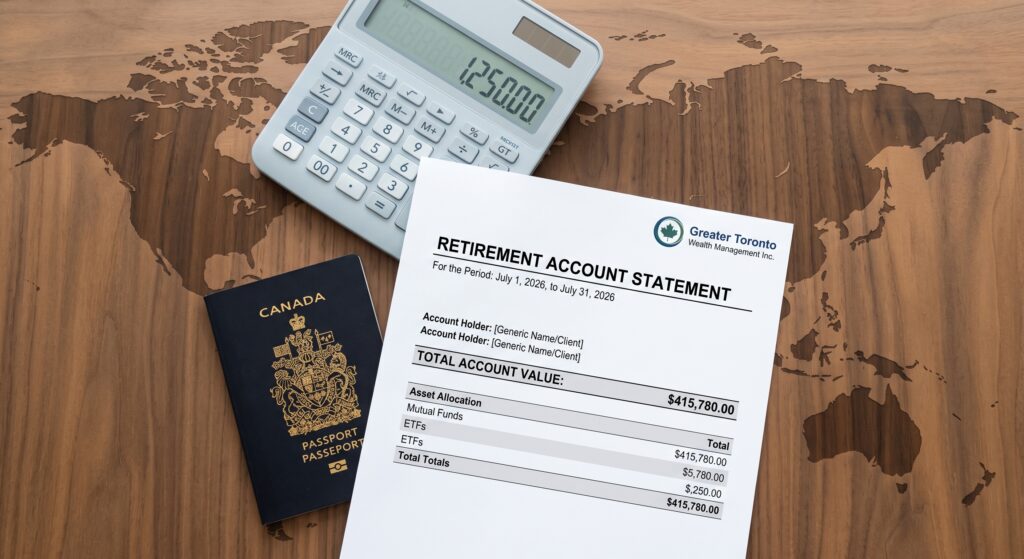
This is the part almost nobody prices out before they move. Your pension or retirement account doesn’t relocate with you, and each origin country treats it differently once you’re gone.
A UK pension generally stays in the UK and gets drawn down remotely, since none of these five destinations currently host an HMRC-recognised overseas scheme. A US 401(k) or IRA stays taxable by the IRS no matter where you live, and pulling it out before 59 and a half adds a 10% penalty on top. A Canadian RRSP faces a 25% non-resident withholding tax on withdrawal, which drops to 15% in some cases if it’s converted to a RRIF first. None of this is a reason not to move. It is a reason to know the number before you’re the one finding out the hard way.
The clock you didn’t know was running
Returning-resident benefits, duty waivers, the whole discount that makes coming home financially workable, aren’t automatic. Most destinations require you to have lived abroad for a minimum stretch first, and the requirement is different everywhere: three consecutive years for Jamaica, nine months for Nigeria, twelve months for Ghana. Trinidad and Tobago and Kenya carry their own residency and documentation requirements on top. Assume you qualify and you might find out at the port of entry that you don’t.
One family’s math, and a much bigger wall
Run the numbers for a single family moving home and you get a specific figure: a savings runway, a monthly gap, a one-time cost that’s usually a few thousand dollars higher than they budgeted. Zoom out, and it’s the same wall CRDEA keeps running into at policy scale. The individual version is a family coming up short mid-move because nobody told them about the 401(k) penalty. The systemic version is diaspora capital getting diverted to Southeast Asia because the investor thresholds sitting between it and Africa were never built with returning descendants in mind. Different scale, same root problem: nobody built the financial infrastructure for return, so the people doing it are stuck reconstructing it themselves, one surprise bill at a time.
Closing that gap starts with the small version. Know your number before you book anything.
Run your household through the free Repatriation Cost Calculator for a one-time relocation cost, a monthly cost-of-living comparison, and a savings runway specific to your move.
FQA
Why isn’t a generic cost-of-living guide enough to plan a repatriation move?
A cost-of-living guide tells you what a coffee or a two-bedroom apartment costs. It says nothing about returning-resident customs status, vehicle duty rules that differ by country, or what your specific retirement account provider does when you become a non-resident. Those are the line items that actually break a repatriation budget, and they don’t show up in a generic guide because they’re not generic. They’re specific to the corridor you’re moving through and the accounts you’re holding.
Is this only relevant to people involved in the reparatory justice movement, or any diaspora member moving home?
Any diaspora member relocating from the UK, US, or Canada to Jamaica, Nigeria, Kenya, Ghana, or Trinidad and Tobago will hit the same customs, tax, and residency mechanics regardless of why they’re moving. CRDEA’s interest is in the pattern underneath it: the same financial infrastructure gap that trips up an individual family also shows up as a policy barrier at the diaspora-investment scale, which is the wall CRDEA’s advocacy work targets directly.
Does CRDEA provide direct financial assistance for repatriation costs?
No. CRDEA’s work is policy advocacy, pressing for changes to the investor thresholds and structural barriers that make diaspora capital harder to move into Africa than into other regions. The calculator is a separate, self-serve planning tool built to the same standard of sourcing, official customs and tax authorities rather than shipping-company guesswork, so individuals can plan around today’s rules while that policy work continues.
Which countries does this cover, and will more be added?
The calculator currently covers moves from the UK, US, or Canada to Jamaica, Nigeria, Kenya, Ghana, or Trinidad and Tobago, chosen as the corridors with the largest diaspora populations and the most clearly documented returning-resident rules. More destinations are being added the same way, country by country, sourced from official customs and tax authorities.
Do these customs and tax rules change often?
Yes, and that’s exactly why relying on a shipping-company blog post from a few years ago is risky. Duty exemptions, residency-length requirements, and withholding rates are all subject to change by the relevant authority. Always confirm current rules with that country’s customs or tax authority before shipping goods, buying a vehicle, or withdrawing a retirement account.
References
Returning-resident customs rules
- Jamaica Customs Agency, Returning Residents: https://jca.gov.jm/individual/returning-residents/
- Jamaica Customs Agency, Motor Vehicle rules for returning residents: https://jca.gov.jm/individual/returning-resident-duplicate/motor-vehicle/
- Nigeria Customs Service, Passengers’ Concessions: https://customs.gov.ng/?page_id=3073
- Kenya Revenue Authority, Guidelines for Returning Residents: https://www.kra.go.ke/individual/diaspora-affairs/learn-about-kenyans-living-abroad/guidelines-for-returning-residents
- Kenya Revenue Authority, Importing Goods: https://www.kra.go.ke/individual/importing/learn-about-importation/importing-goods
- Ghana Revenue Authority, Passengers’ Obligations at Customs: https://gra.gov.gh/customs/passengers-obligations-at-customs/
- Trinidad and Tobago Ministry of Finance, Application for Tax and Duty Waivers: https://www.finance.gov.tt/services/customs-and-excise/application-for-tax-and-duty-waivers/
- Trinidad and Tobago Customs and Excise Division, Information for Returning Nationals: http://www.customs.gov.tt/travelling/returning-nationals
Pension and retirement account rules
- GOV.UK, Check the Recognised Overseas Pension Schemes Notification List: https://www.gov.uk/guidance/check-the-recognised-overseas-pension-schemes-notification-list
- LegalClarity, What Happens to My 401(k) If I Move Abroad: https://legalclarity.org/what-happens-to-my-401k-if-i-move-abroad-taxes-rules/
- Internal Revenue Service, 26 USC 911, Citizens or Residents of the United States Living Abroad
- LegalClarity, Canadian RRSP Withdrawal Rules for Non-Residents: https://legalclarity.org/canadian-rrsp-withdrawal-rules-for-non-residents/
